





A package from Santa does not need to be a box of unrelated extras. The strongest version starts with one personal letter and turns its arrival into a moment the family can carry through the season.
Key Takeaway
A memorable package from Santa needs a personal message before it needs more items. Use details the child will recognize, choose delivery around the reveal, and let the letter lead into a family activity or visit.
Build a Package From Santa in Four Connected Parts
Think of the experience as four parts with one job each.
| Part | Its job | What the child experiences |
| Personal message | Makes the letter unmistakably theirs | Santa knows something specific |
| Presentation | Separates the letter from ordinary mail | This looks worth stopping for |
| Reveal | Controls when and how the surprise happens | The family shares the moment |
| Next chapter | Carries the story beyond the page | The letter leads somewhere |
The order matters. A polished envelope cannot rescue generic wording. Get the message right first, then choose the format and follow-up that support it.
For a component-by-component guide, review what may be included in a personalized Santa letter package. This guide shows how to shape those choices into one reveal.
Start With the Detail Santa Could Only Know From Home
The letter earns the child’s attention when it mentions something recent and recognizable. Santa’s Magical Kingdom’s current Letters from Santa creator asks for the child’s name, age, location, favorite activity, favorite color, an optional friend or sibling, a proud moment, behavior details, a special accomplishment, and up to three wishes. It also provides space for an optional surprise message.
Do not treat every field as a box that must be filled. Choose the details with the strongest emotional signal:
- one achievement the child worked for;
- one kind or helpful act the family noticed;
- one person the child will recognize immediately;
- one wish in the child’s own language;
- one short message that fits this Christmas.
“Santa heard you did well this year” could apply to anyone. “Santa heard how patiently you helped your little brother build his train set” belongs to one child.
Use the five-detail test for a believable Santa letter when you need help choosing which facts deserve space.
Match the Message to the Child’s Age
A preschooler and a skeptical ten-year-old do not read the same way. Younger children may enjoy clear praise and a short message read aloud. Older children notice repetition and vague compliments.
For an early reader, choose one accomplishment and keep the reveal visual. For an independent reader, use more precise details and let them discover the letter before an adult explains it.
Avoid promises about a gift, family event, perfect behavior, or another person’s plans. Recognition works better than leverage.
Choose the Santa’s Magical Kingdom Experience Around the Reveal
The current letter creator lists three experience levels: Classic Letter from Santa, Premium Letter Package, and Deluxe Experience. It also shows an add-on selector and asks the buyer to choose a delivery type.
Choose the level by working backward from the moment you want:
Keep it simple when the letter itself is the event, such as a breakfast-table, stocking, or bedside reveal.
Choose stronger presentation when the child is likely to inspect, reread, and save the letter.
Build a larger experience when the letter will introduce another family moment, including an in-person visit after it arrives.
Review the live selector because options can change by season. Use the order summary to confirm the child’s name, wishes, package, and add-on. Confirm any must-have inclusion in the active order flow.
Decide Where the Magic Should Appear
Delivery is part of the story. The same letter feels different when it appears in a mailbox, waits beside breakfast, turns up in a stocking, or arrives in a parent’s inbox for a carefully timed home reveal.
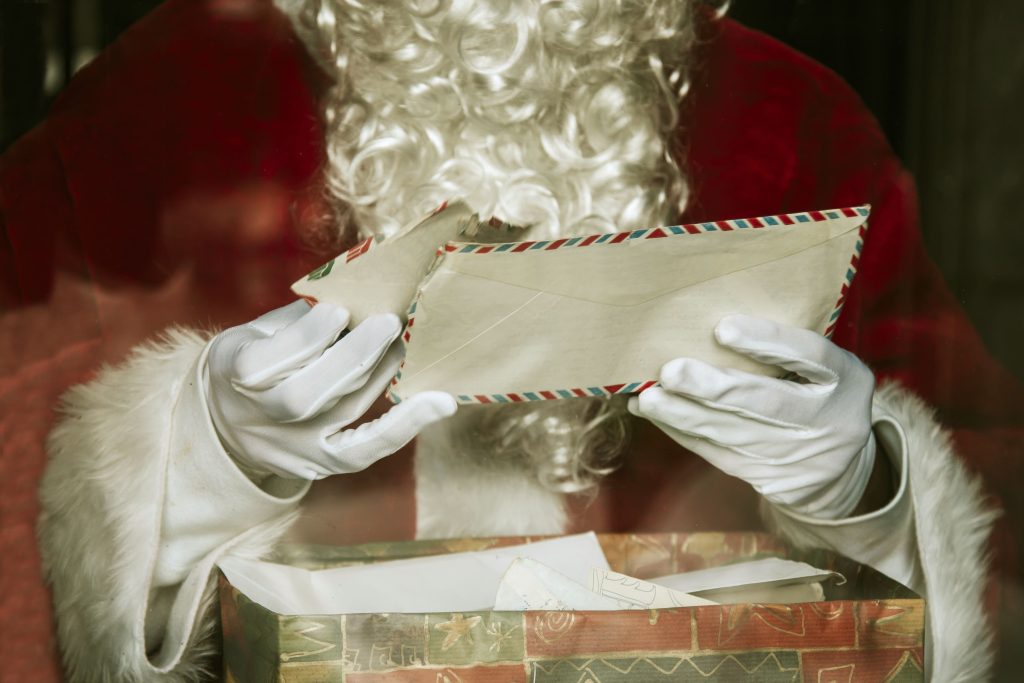
A physical letter gives the child something to hold and save, but it requires an accurate address and time for seasonal mail. The USPS letter-addressing guide recommends clear formatting and ZIP+4 when possible. Use the USPS ZIP Code lookup before submission.
Email supports a last-minute plan, travel, or a reveal outside the mailbox. The parent controls the printing, envelope, and hiding place.
Use the digital versus printed Santa letter guide when timing and keepsake value are pulling in different directions.
Plan the Reveal Before the Letter Arrives
Pick the time, place, and adult role before ordering.
For a mailbox reveal, decide who will suggest checking the mail. At breakfast, place the letter where the child will notice it naturally. For siblings, choose whether letters appear together or one at a time.
Do not overproduce the scene. Children may read a detail twice or ask how Santa knew it. Leave that space instead of narrating every reaction.
A ribbon, Christmas mailbox, or place beside the tree can mark the letter as special without competing with the message.
Give Siblings Separate Evidence
Children compare. If two letters use the same praise, sentence order, and sign-off with only the names changed, the reveal weakens quickly.
Build each message around a different anchor, such as persistence in school, helping a grandparent, or learning a skill. Use distinct wishes, friends, and proud moments even when the presentation remains consistent.
Review sibling entries side by side. The current preview summarizes key order details but not the finished letter. The Santa letter preview guide explains what a field summary can check.
Let the Letter Open the Door to Santa’s Magical Kingdom
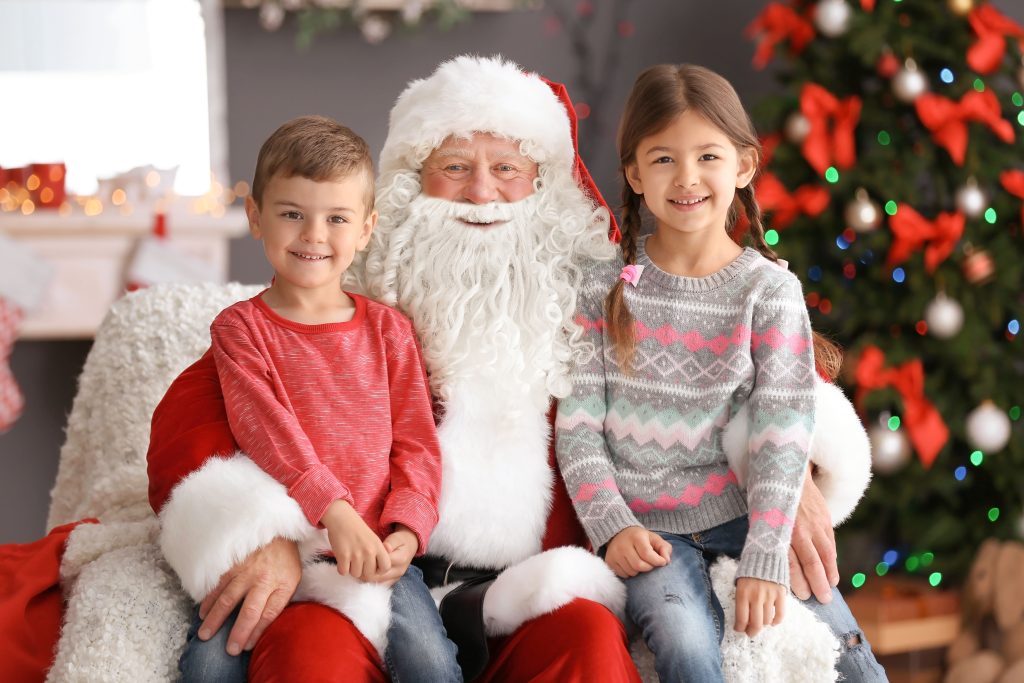
For families near St. Louis, the letter can open a longer holiday plan. A visit to Santa’s Magical Kingdom gives the story a setting with lights, Christmas scenes, Elfland, Toy Land, Candyland, and a North Pole mailbox.
The site also offers Santa Express train and holiday wagon rides. Dates, prices, and availability are seasonal, so use the live page when planning. The child first hears from Santa, then enters the place the letter seemed to come from.
The letter does not need to promise a ride or visit. The parent can reveal the next step afterward. That keeps the message accurate if weather, schedules, or family plans change.
At home, the child can write a reply, save the letter, draw for Santa, or choose one kind act before Christmas.
Review the Package as a Parent, Not as Santa
Before submitting, switch out of storytelling mode and check the practical details.
- Spell the child’s name exactly as they expect to see it.
- Confirm the age, location, friend or sibling, and wishes.
- Remove any detail the child might find embarrassing when read aloud.
- Avoid promises about gifts, travel, health, or another person.
- Confirm the selected experience, add-on, and delivery type.
- Verify the email or mailing address.
- Save the order information and planned reveal date.
Only provide details the letter needs. The Santa letter home-address safety guide covers address review in more depth.
This check protects the message, delivery, and reveal from avoidable errors.
Who This Package From Santa Works Best For
This approach fits parents, caregivers, grandparents, and relatives who know meaningful details about the child but want a structured way to create the finished surprise.
Sibling households benefit from separate personalization fields. Last-minute planners may prefer email. Keepsake-focused families may prefer a mailed presentation. Those near St. Louis can connect the letter to the attraction.
The common goal is to help the child feel seen and carry that feeling into Christmas.
Create the Letter First, Then Build the Moment
A package from Santa works when the message, presentation, reveal, and next chapter support the same story.
Start with the Santa’s Magical Kingdom letter creator. Add only details the child will recognize, choose the experience and delivery type that fit your plan, review the visible summary, and decide where the letter will appear before it arrives.
Frequently Asked Questions
What does “package from Santa” mean here?
It means the full Christmas experience built around a personalized Santa letter: the message, presentation, delivery, reveal, and any family activity that follows. It is a generic description of the experience, not the name of a website.
What should lead the package from Santa?
Lead with the personalized letter. One specific accomplishment, kind act, friend, sibling, or wish usually creates more meaning than several generic extras.
What details can I add through Santa’s Magical Kingdom?
The current form asks for the child’s name, age, location, favorite activity and color, an optional friend or sibling, a proud moment, behavior details, a special accomplishment, up to three wishes, and an optional surprise message.
Which Santa’s Magical Kingdom option should I choose?
Choose Classic, Premium, or Deluxe according to the reveal you want and the current inclusions shown during ordering. Confirm any must-have item or add-on in the live order flow before submitting.
Can I choose email instead of a physical letter?
The current order flow supports a delivery-type choice and requests a mailing address only for a physical letter. Use email when speed and parent-controlled presentation matter more than postal arrival.
How can I make the letter feel personal?
Use details the child can verify immediately. A named achievement, a familiar person, and the child’s own wording for a Christmas wish make the message sound written for them.
How should I plan a package from Santa for siblings?
Create a separate detail set for each child. Vary the achievement, praise, friend or sibling reference, wishes, and surprise message so the letters do not read like copied versions.
When should I plan the reveal?
Choose the reveal before ordering. Your timing determines whether physical mail, email, a stocking placement, a breakfast surprise, or another setup gives you enough control.
Can the letter lead into a visit to Santa’s Magical Kingdom?
Yes. The letter page invites families to continue with an in-person visit. Keep the visit as a parent-planned next chapter rather than a promise inside Santa’s message.
Are train and wagon rides part of every letter experience?
Do not assume they are included. Train and wagon rides have their own seasonal schedule, pricing, booking terms, and availability on the Santa’s Magical Kingdom ride page.
What should I check before submitting the order?
Check spelling, age, personal details, wishes, package selection, add-on, delivery type, email, mailing address, and any detail that might feel awkward when read aloud.
How do I start creating a package from Santa?
Open the Santa’s Magical Kingdom letter creator, enter a small set of meaningful child details, select the experience and delivery type, review the order summary, and set the reveal plan.
The reveal works best when the letter earns it — when a child reads their name alongside a detail Santa could only know from their own home. Santa’s Magical Kingdom’s letter creator is designed around exactly that: a proud moment, a kind act, a named friend, a wish in the child’s own language, and a delivery choice that fits the reveal you have planned. Whether the letter appears at breakfast, in a stocking, or beside the tree, the message leads the moment. Build yours now with a personalized letter from Santa and decide on your reveal before the order arrives.