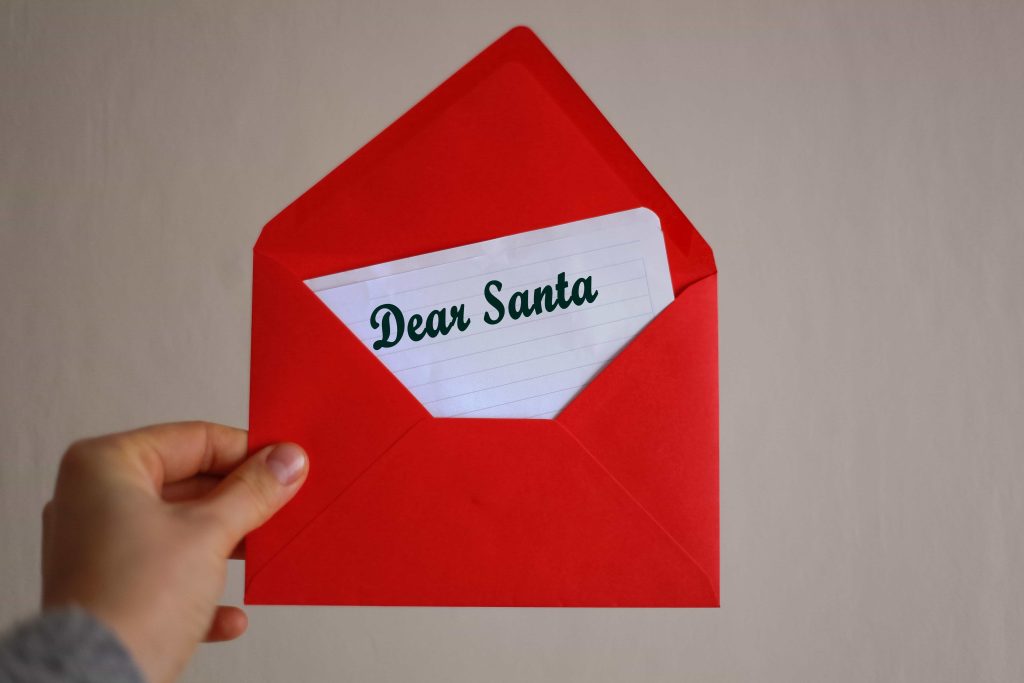
A Santa letter for a teenager succeeds when it stops trying to prove Santa is real and starts proving the family knows who the teen has become. The voice can remain playful, but the content should recognize independence, effort, humor, relationships, and the transition into adulthood. Done well, the message becomes a shared family tradition rather than a test of belief.
What Makes a Santa Letter for a Teenager Feel Age-Appropriate?
Teenagers notice tone before they notice paper. A childish voice can make the tradition feel imposed, while an overly serious message loses the Christmas playfulness that made it worth keeping.
Use four tone shifts:
- From judgment to recognition: Mention effort, responsibility, or a choice rather than declaring the teen “good.”
- From proof to participation: Treat Santa as a family character everyone understands and still enjoys.
- From toys to milestones: Focus on a first job, exam, performance, team, friendship, driving lesson, or future plan.
- From generic magic to private humor: Use one family-safe joke, familiar habit, or detail that could not come from a template.
The result should sound like a warm older mentor with excellent information, not an adult pretending the reader is six.
Choose the Message’s Real Job
Different teen years need different letters.
| Stage | Strong message role | Details to use |
| Ages 13–15 | Keep the family joke alive | Hobbies, school moments, sibling dynamics, harmless humor |
| Ages 16–17 | Recognize growing independence | Work, driving, leadership, difficult choices, future plans |
| Ages 18–19 | Mark a transition | Graduation, college, training, moving, first adult Christmas |
| Any teen after a hard year | Offer grounded encouragement | Persistence, support systems, small wins, permission to rest |
Do not force sentiment into every line. A humorous note can still include one sincere sentence. A heartfelt message can include one dry North Pole joke to keep it from sounding like a graduation speech.
How to Write a Santa Letter for a Teenager Without Pretending Too Hard
Start with a direct greeting. Refer to the tradition openly if that matches the family: “The North Pole file stays open even after someone becomes taller than half the elves.” That line preserves the character without demanding belief.
Then use one milestone and one character observation. A milestone says what happened; the observation says what it reveals. “You started your first job” is a fact. “You kept showing up for early shifts even when the novelty wore off” recognizes discipline.
Close with a future-facing line. Avoid telling the teen exactly who to become. Santa can express confidence, curiosity, or encouragement without turning the letter into parental instructions disguised in red ink.
Two Complete Teen Santa Letter Examples
A funny, knowing version
Dear Lucas,
The North Pole records department confirms that turning sixteen does not automatically remove someone from Christmas correspondence. It does, however, make the elves ask whether “new headphones” means the same thing it meant last year.
I heard about the early practices, the chemistry grade you fought back from, and the rides you gave your sister without making a major production of it. That last achievement surprised several departments.
Keep the humor. Keep showing up. And please remember that reindeer have right of way.
Santa
A milestone version
Dear Naomi,
This Christmas arrives at the edge of a much bigger year. You finished school, made decisions that did not have obvious answers, and kept moving even when the next step felt uncertain.
The younger version of you may have read these letters looking for proof of the North Pole. The person you are now can read this one as proof that your family has noticed your courage, your work, and the kindness you still make time for.
Carry those things with you. They travel well.
Santa
Coordinate a Family Tradition Across Different Ages
One household may include a believer, a questioning child, and a teen who knows how the tradition works. Equal treatment does not require identical wording. It requires equal care.
Give younger children more North Pole action and give the teen more truth about their year. Keep the stationery or delivery timing connected so every child remains part of the same family event. Do not ask the teen to perform belief for younger siblings; invite them to help protect the surprise in a way that respects their role.
Santa’s Magical Kingdom’s current letter creator is structured for ages 3 through 12. Families can use its personalized letter from Santa for younger siblings or a 12-year-old at the transition edge, then use the framework and examples above to write the older teen’s coordinated message.
The site’s guide to the best age for a Santa letter can help families think about changing belief, while its Christmas letter examples provide additional structures.
Avoid the Four Fastest Ways to Lose the Teen
- Do not use baby-talk, forced slang, or internet phrases adults think teenagers use.
- Do not expose private struggles the teen would not want read aloud.
- Do not turn Santa into a disciplinary messenger for grades, chores, dating, or behavior.
- Do not compare the teen with siblings or with an idealized younger version of themselves.
Let another adult read the draft for tone. If it sounds like a lecture from a parent, revise it until the recognition is stronger than the instruction.
Final Thoughts: Make a Santa Letter for a Teenager About Continuity, Not Belief
The tradition can mature with the reader. Use a knowing voice, one specific milestone, one honest observation, and a closing that looks forward. Santa’s Magical Kingdom can anchor the younger children’s side of the family story, while the teen version becomes a thoughtful DIY chapter built for the age they are now.
Frequently Asked Questions
Is a teen too old for a Santa message?
Not if the family treats it as tradition rather than a belief test. Older readers often respond better to humor, nostalgia, and specific recognition than to exaggerated North Pole proof.
Should the message admit that Santa is a family tradition?
It can, especially when the teen already knows. A knowing line protects the playfulness without asking the reader to pretend or making the moment unnecessarily serious.
What details work best for a thirteen-year-old?
Use hobbies, school effort, friendships, new responsibilities, and family humor. Avoid wording that sounds copied from an early-childhood Nice List letter.
What should Santa say to an older high-school student?
Recognize independence, work, leadership, difficult choices, or future plans. Keep the advice brief and let the teen’s real accomplishment carry the emotional weight.
Can the letter be funny?
Yes. Use a private, kind joke the teen will recognize. Avoid teasing about appearance, relationships, grades, or anything they may feel embarrassed hearing in front of family.
Should the message mention gifts?
It may acknowledge a wish or joke about changing interests, but gift promises are unnecessary. Milestones and character details usually make the teen version more meaningful.
How long should it be?
About 120 to 220 words usually allows one story, one sincere observation, and a clean close. Shorter is better than filling space with childish workshop details.
Can a teen help create letters for younger siblings?
Yes, if they want the role. Let them contribute an elf detail, delivery idea, or hidden setup without requiring them to perform belief or carry the entire tradition.
Should siblings receive matching messages?
Match the care and presentation, not the wording. Each message should reflect the recipient’s age, details, and relationship with the family tradition.
What if the teen had a difficult year?
Recognize persistence without naming private details or promising that everything will improve. The message can be supportive while leaving serious emotional support to real relationships and professionals.
Does Santa’s Magical Kingdom currently serve older teens?
Its public creator currently lists ages 3 through 12. Use it within that range and use this article’s mature framework for older teenagers in the same family.
What should I write down before drafting?
Choose one milestone, one character quality demonstrated through action, one safe joke or tradition, and one future-facing line. Those four elements create a complete teen message.