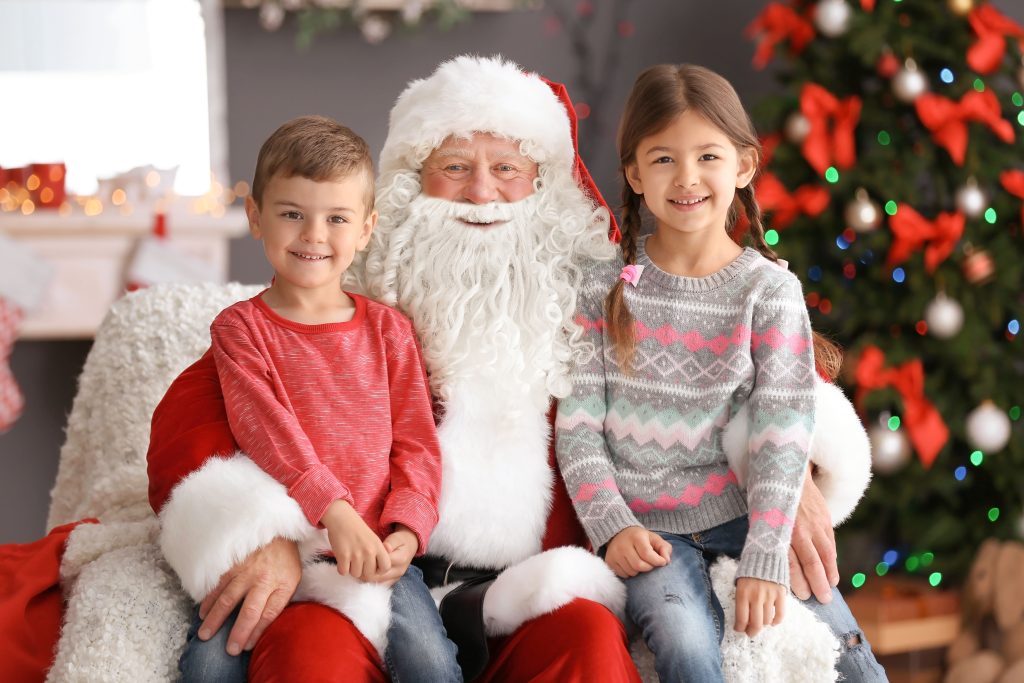
A letter from Santa template is usually just a background: a border, a North Pole logo, maybe a reindeer graphic with a text box in the middle. The design gives you the look. It doesn’t give you the words. This guide is built for that exact gap: you’ve already picked a template, and now you need something better than “Dear [Name], you have been good this year” to type into it.
Key Takeaway
- A letter from Santa template gives you the look. The wording bank below gives you the substance.
- Every strong Santa letter follows the same four-part structure: greeting, acknowledgment, behavior note, and wish list response.
- The acknowledgment section is where a template stops helping, since it can’t know anything specific about your child.
The Four Parts Every Letter From Santa Template Needs Filled In
Whatever design you chose, the text box on a letter from Santa template usually needs to do four jobs. Treat these as the sections to write, not just one long paragraph.
Part One: The Greeting
The greeting sets the tone for the whole letter. It should use the child’s name immediately, not bury it in the second sentence.
- “My Dear [Name],”
- “Ho ho ho, [Name]! Word has reached the North Pole about you.”
- “[Name], it’s such a busy time here at the workshop, but I always make time to write to you.”
For younger children, a warmer, simpler greeting works better. For children eight and up, a slightly more conversational tone tends to land better than an overly formal one.
Part Two: The Acknowledgment
This is the section that makes or breaks the letter. It needs one specific reference, not a generic compliment.
Weak version: “You have been such a good kid this year.”
Stronger version: “Mrs. Claus told me how proud she was when she heard you learned to ride your bike without training wheels this summer.”
A template can only get you the weak version, since the design has no way to know what your child actually did. This is the exact point where you personalize the text box yourself, and it’s worth spending real time on this one sentence, since it carries most of the letter’s emotional weight.
Part Three: The Behavior Note
Keep this positive and forward-looking rather than a warning. The goal is reinforcement, not a threat.
- “The elves have noticed how kind you have been to your little sister lately. Keep that up.”
- “Santa’s Nice List is looking very good for you this year, especially the way you have been helping around the house.”
Avoid naughty-list language that feels punitive. Most modern letters lean positive for exactly this reason: it works better and it avoids scaring younger kids right before Christmas.
Part Four: The Wish List Response
Respond to what the child actually asked for, in their own words if possible, rather than a generic gift mention.
- “I saw your letter about the [specific toy]. My elves are hard at work on it.”
- “You mentioned wanting [item] more than once. Someone has been listening.”
Close with a warm sign-off: “Until Christmas Eve, keep being wonderful. Love, Santa” or “See you soon. With love from the North Pole, Santa Claus.”
A Complete Sample You Can Adapt
If you want to see all four parts working together before you write your own, here’s a short complete version:
My Dear [Name], Mrs. Claus told me about [specific moment], and I was proud to hear how kind you have been to [sibling or pet]. The elves saw your wish for [item], and everyone at the workshop is excited for Christmas Eve. Keep being thoughtful, helpful, and full of Christmas spirit. Love, Santa.
Swap in your own details in each bracket, and adjust the length to fit your template’s text box.
Matching the Wording to the Template’s Space
Most templates give you limited room, so the wording bank above needs to fit the design, not fight it. A few practical adjustments:
- If the template has a short text box, cut Part Three or fold it into Part Two rather than dropping the acknowledgment, since that’s the section doing the most work.
- If the template already includes decorative Christmas language in the border art, don’t repeat it in the text (“frosty snowflakes,” “jolly old elf”) since that’s redundant with what the design is already showing.
- If you’re printing the same template for more than one child, write each child’s Part Two and Part Four separately in a document before copying into the template, so you don’t accidentally leave one child’s acknowledgment generic while another’s is detailed.
Where a Template Stops Being Enough
A blank template can hold this structure, but it can’t fill in Part Two or Part Four with anything specific. That’s the actual limit of a free printable template: it gives you the right shape, but the substance still has to come from you, typed by hand into every text box, every year, for every child in the house separately if you have more than one.
A template gives you the frame. The work is writing a different detail for each child, fitting it into the design, printing it cleanly, and making the delivery feel special. If that’s the part you don’t want to handle, a personalized Santa letter service is the simpler next step, and it starts from the same four-part structure above, just filled in for you.
Frequently Asked Questions
What should the first line of a letter from Santa template say?
Open with the child’s name in the first sentence. A warm, direct greeting like “My Dear [Name],” works better than a generic Christmas opener, since it signals immediately that the letter is written to them specifically.
Where can I find a free letter from Santa template?
Browser-based design tools and printable sites commonly offer free, customizable Santa letter layouts with editable text boxes and matching envelope designs. These give you the visual layout; the wording still needs to come from you.
What details should I add to make it feel personal?
Add one specific accomplishment, one behavior note framed positively, a sibling or pet’s name if it fits naturally, and your child’s wish list item in their own words rather than a brand name.
How long should a letter from Santa be?
Three to five short paragraphs, or roughly 150 to 250 words, is usually enough. Longer letters risk losing a young reader’s attention, and the emotional impact comes from specific details, not length.
Can I use the same letter from Santa template for more than one child?
You can use the same design, but each child’s acknowledgment and wish list sections should be written separately with their own specific details. Reusing identical wording across siblings is one of the fastest ways for kids to compare letters and realize the “magic” was templated.
Should the letter mention the Naughty List?
Most current templates and services skip direct naughty-list language and instead reinforce good behavior positively. This tends to land better with children and avoids unnecessary anxiety close to Christmas.
Should I type or handwrite the letter?
Either works. A typed letter from a template looks more polished and consistent, while a handwritten letter can feel more personal for very young children who don’t yet notice handwriting styles. Some families do both: a typed letter with a handwritten postscript.
What paper works best?
A slightly heavier cardstock, if your printer supports it, gives a more letter-like feel than standard copy paper. Standard paper still works fine if that’s what you have on hand.
Do I need any special software to use a Santa letter template?
Most free templates work through a browser-based design tool, so no software installation is needed. Some sites also offer plain PDF versions you can fill in by hand after printing.
Is a letter from Santa template appropriate for a toddler?
Yes, though the wording should stay very simple. For a toddler, a short greeting, one sentence about something they enjoy, and a warm sign-off is usually enough. The visual design tends to matter more than the wording at that age.
How do I make the acknowledgment section specific if I’m not sure what to write?
Think of one thing your child did this year that surprised or impressed you, even something small, like sharing a toy without being asked or trying a new food. That single memory is usually enough to build the entire acknowledgment sentence around.
Can older kids still enjoy a letter from a template?
Yes, but the tone should shift. For children eight and up, avoid babyish language and lean into details about their actual interests, effort, or a specific achievement, since older kids are more likely to notice generic phrasing.
What’s the difference between a letter from Santa template and a personalized letter service?
A template gives you a design and leaves all the wording to you. A personalized letter service writes the acknowledgment and wish list sections for you based on details you provide, and typically delivers the letter on nicer stationery, either printed for you or mailed.
Personalize a Letter From Santa Instead of Filling In a Template
If you have the details but don’t want to write, format, print, and personalize separate letters yourself, create a personalized letter from Santa built from your child’s actual year. If you’d rather try the DIY route first, a free Santa letter printable walks through the setup steps, and the personalized letter from Santa guide covers what to look for if you decide to buy one instead.