




A Dear Santa letter is the letter your child writes to Santa, not the one Santa writes back. It’s easy to confuse the two searches, but they solve different problems: one is about helping your child put their wishes and their year into words, and the other is about the reply your child hopes to get. This guide covers the first one, and shows why it matters more than most parents realize once Christmas planning starts.
Key Takeaway
- A Dear Santa letter is written by the child, to Santa. A letter from Santa is the reply.
- The best prompts help a child include their wish list, a recent memory, and something about their year, not just a list of toys.
- Saving this letter is useful for more than nostalgia. It becomes the raw material for a genuinely personal reply letter later.
Dear Santa Letter Format
A useful Dear Santa letter usually includes four parts: a greeting, a short note about the child’s year, a wish list, and a closing. That structure works well as a starting point for any age:
- Dear Santa,
- My name is [Name], and I am [age].
- This year, I am proud that I [specific moment].
- For Christmas, I am hoping for [wish list item].
- Thank you, Santa. Love, [Name].
The best versions include at least one personal detail beyond the gift list, since that detail can later be used in Santa’s reply.
What a Dear Santa Letter Actually Includes
A Dear Santa letter usually includes:
- A greeting (“Dear Santa,”)
- The child’s name and age
- One note about their year, ideally something they’re proud of
- A short wish list
- A closing (“Love, [Name]”)
Where families add their own twist is in the details beyond the wish list. Some families use the letter every year to record clothing sizes, favorite colors, new hobbies, and even hopes for the year ahead, turning a Dear Santa letter into a small family time capsule rather than a one-time wish list.
How to Help Your Child Write Theirs
Since a young child may need guidance putting thoughts into words, here’s how a parent can structure the activity without turning it into homework:
- Ask your child to name one or two things they’re proud of from this year, and write those down first, before the wish list. This becomes the raw material for the acknowledgment section of a reply letter later.
- Ask about a pet, sibling, or friend they want mentioned, since Santa letters that reference someone else in the child’s life tend to feel more personal than a solo wish list.
- Have your child describe their top gift request in their own words rather than a brand name, since that phrasing is often more specific and more useful later than a generic product title.
- For children too young to write, transcribe what they say rather than paraphrasing it, since their exact phrasing is part of what makes the letter theirs.
- If your child likes to draw, let them illustrate the letter instead of, or alongside, writing it. A drawing of a requested toy carries just as much information as a written line.
When and How to Send It
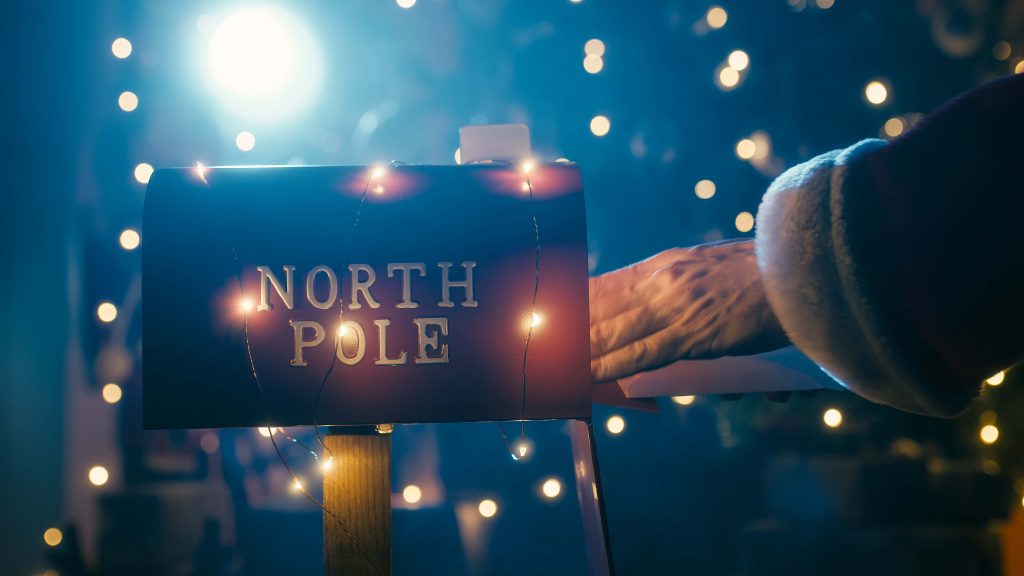
Once the letter is written, families generally handle sending it one of a few ways: dropping it in a home mailbox for pickup, mailing it through the regular postal service, or, for families near a Christmas attraction that offers one, placing it directly in an on-site North Pole mailbox during a visit. Santa’s Magical Kingdom has offered a Santa mailbox along its drive-through light show route in past seasons; check the current season’s event page before planning a visit around it, since seasonal features can change year to year.
If timing matters to you, a rough guideline worth following is to have the letter finished and sent by the first week of December, which gives enough buffer for any reply, whether that’s a parent-written one or an ordered one, to arrive before Christmas.
Why Saving This Letter Matters More Than It Seems
Most families treat the Dear Santa letter as a one-time activity: write it, mail it or leave it out, and move on to the next holiday task. But the details a child includes, a lost tooth, a new pet, a specific toy described in their own words, are exactly the kind of specific, checkable details that make a reply letter feel personal instead of generic.
If you plan to give your child a letter back from Santa, whether you write it yourself or have it personalized, the Dear Santa letter your child already wrote is the single best source of material for it. A reply that references something the child actually said, rather than a generic detail a parent guessed at, is the version that gets reread and kept.
Turning the Letter Into a Reply
Once your child’s letter is written, keep it somewhere safe rather than discarding it after the wish list is noted. When it’s time to write or order the reply:
- Pull one specific line from your child’s letter, not just the gift list.
- Reference it directly in the reply, so the child recognizes their own words reflected back.
- Pair that reference with one detail only a parent would know, like a recent accomplishment, for a reply that feels doubly personal.
This is the same approach behind a well-built personalized letter from Santa: it works best when it’s built from real details, and a child’s own Dear Santa letter is often the easiest place to find them.
Frequently Asked Questions
What should a Dear Santa letter include?
A Dear Santa letter should include a greeting, the child’s name, one detail about their year, a short wish list, and a closing. Younger children can dictate the letter or draw pictures instead of writing every word.
What is the difference between a Dear Santa letter and a letter from Santa?
A Dear Santa letter is written by the child, addressed to Santa, and usually includes a wish list. A letter from Santa is the reply the child receives, and it can be written by a parent or personalized through a Santa letter service.
What age should a child start writing a Dear Santa letter?
There’s no set age. Even children too young to write can participate by dictating their wishes to a parent or drawing pictures of what they want, which a parent can then write down or attach to the letter.
Should I keep my child’s Dear Santa letter every year?
Many families do, since it becomes a record of favorite things, sizes, and milestones over time, in addition to being useful when writing or ordering that year’s reply letter.
How do I turn my child’s letter into a Santa reply?
Pull one or two specific details from what your child wrote, then reference them directly in the reply, alongside a detail you know as a parent that your child didn’t mention themselves. Combining both is what makes the reply feel personally written rather than generic.
What should a Dear Santa letter include besides a wish list?
A strong Dear Santa letter usually includes the child’s name and age, one thing they’re proud of from the year, a mention of a sibling or pet, and a short closing, in addition to the gift list itself.
Can my child email a letter to Santa instead of mailing one?
Yes. Several free services accept a Dear Santa letter request online and deliver a reply by email, which works well for last-minute timing or families who prefer a digital option.
How many gifts should be on a Dear Santa wish list?
There’s no fixed number, but keeping the list to a handful of specific items tends to produce a more thoughtful letter than a long, unfocused list. Encourage your child to rank a top choice or two if the list gets long.
What if my child doesn’t want to write a letter?
Not every child enjoys writing, and that’s fine. Drawing, dictating to a parent, or answering a few simple questions out loud can capture the same information without requiring a full written letter.
Is it too late to write a Dear Santa letter close to Christmas?
It’s rarely too late for the writing itself, though mailing time becomes tighter the closer you get to the holiday. A digital or hand-delivered option removes that time pressure if you’re starting late.
Do older kids still enjoy writing a Dear Santa letter?
Many do, especially when the letter shifts from a simple wish list to something closer to a yearly tradition or keepsake, sometimes including a note about hopes for the year ahead rather than only toys.
Can I drop my child’s letter to Santa off in person somewhere?
Some Christmas attractions set up a dedicated North Pole mailbox families can use during a visit, if the feature is offered that season, which adds an in-person moment to the tradition for local families. Confirm availability directly with the specific attraction before planning around it.
What details make a Dear Santa letter most useful for a personalized reply later?
The most useful details are specific and hard to guess: an exact accomplishment, a pet or sibling’s name, and the child’s own wording for their top wish, rather than generic statements like “I was good this year.”
Personalize Your Child’s Reply From Santa
Once you have your child’s Dear Santa letter in hand, personalize Santa’s reply so it answers your child’s own letter directly, using their words and one detail only you would know. For more on what makes that reply feel genuinely personal, see the personalized letter from Santa guide or a letter from Santa template if you’d rather write it yourself.