



A Santa letter feels real when it sounds like Santa actually knows your child. The magic is not only in the envelope, stamp, or North Pole wording. It is in the small personal details your child recognizes right away.
Parents searching for how to make a Santa letter feel real usually want a Christmas moment that feels believable, personal, and worth remembering. A personalized Santa letter can create that feeling when the message, timing, and Santa letter reveal work together.
Quick Answer: How Do You Make a Santa Letter Feel Real?
To make a Santa letter feel real, include details only your child would recognize, such as their name, age, hobbies, achievements, kind behavior, pet, or Christmas wishes.
A realistic Santa letter should also arrive in a way that feels special. The letter feels more believable when it uses warm Santa-style wording, includes a small North Pole detail, and becomes part of a family Christmas moment.
What Makes a Santa Letter Believable?
A believable Santa letter does not need to be long. It needs to feel specific.
The strongest details are usually the ones your child already knows are true. A recent achievement, favorite hobby, pet name, school milestone, or kind action can make the letter feel like Santa noticed something real.
A good Santa letter for kids should feel warm, simple, and child-friendly. It should not sound like an adult explanation of Christmas magic. It should sound like a cheerful note from Santa to one specific child.
Useful details to include:
- the child’s name
- age or grade
- favorite activity or hobby
- recent achievement
- kind behavior
- Christmas wish
- pet or sibling detail
- small North Pole reference
- warm Christmas closing
The goal is simple: your child should be able to hear one line and think, “Santa knows that about me.”
Generic Santa Letter vs Realistic Santa Letter
| Parent Concern | Generic Santa Letter | Realistic Santa Letter |
| Will my child believe it? | Uses broad wording that could apply to anyone | Includes specific details from the child’s year |
| Will it feel personal? | May only use the child’s name | Mentions hobbies, milestones, behavior, or wishes |
| Will it feel magical? | Depends mostly on design | Combines wording, timing, reveal, and family excitement |
| Will it be remembered? | May be read once and forgotten | Can become part of a Santa letter tradition |
| Will it feel worth it? | Feels like a novelty item | Feels like a personal Christmas experience |
A realistic Santa letter works best when it feels personal without trying too hard. The details should be specific enough to feel believable, but simple enough for the child to understand.
What to Include in a Personalized Santa Letter
A strong personalized Santa letter should include a few meaningful details, not a long list of facts. Too many details can make the letter feel crowded. A few specific details make it feel natural.
1. A Warm Greeting
Start with the child’s name and a cheerful Christmas message. The opening should feel friendly, simple, and age-appropriate.
Example:
Dear [Child’s Name], Merry Christmas from the North Pole.
2. One Detail From the Child’s Year
Mention something specific from the child’s real life. This could be a school milestone, new hobby, favorite sport, kind action, or something they worked hard on.
This is where the letter starts to feel believable. A child may not remember every line, but they will notice when the message includes something true about them.
3. A Positive Message From Santa
Use the letter to encourage the child without making it feel like a behavior report. A short note about kindness, effort, helpfulness, patience, or Christmas cheer is enough.
The tone should feel warm, not corrective.
4. A North Pole Detail
A small North Pole detail adds imagination. Mention elves preparing toys, reindeer getting ready, Santa checking his list, or Christmas magic in the workshop.
Do not overdo this section. One North Pole detail is usually enough to make the North Pole letter feel festive.
5. A Christmas Wish or Closing
End with warmth. The final line should leave the child excited for Christmas and happy to save the letter.
Example:
Keep spreading Christmas cheer, and I will see you very soon.
Simple Santa Letter Sample
Use this Santa letter sample as a structure, not a fixed script. The best version should be customized with real details from your child’s year.
Dear [Child’s Name],
Merry Christmas from the North Pole. The elves and I have been very busy getting ready for Christmas, and I was happy to see your name on my list this year.
I heard you have been enjoying [hobby/activity] and working hard on [achievement or kind behavior]. That made me smile because kindness and effort are very important during Christmas.
Keep spreading cheer at home, enjoy the little magical moments this season, and have a very Merry Christmas.
With Christmas wishes,
Santa Claus
A Christmas letter from Santa feels more believable when it sounds specific but not overly detailed. Use one or two personal details, then keep the rest warm and festive.
Santa Letter Ideas That Make the Message Feel Personal
The best Santa letter ideas come from the child’s real life. Parents do not need to invent a complicated story. They only need to choose details that already matter to the child.
Use details like:
- a hobby they started this year
- a favorite toy, book, sport, or activity
- something kind they did for a sibling, friend, or parent
- a school milestone
- a pet’s name
- a favorite Christmas tradition
- a wish they shared recently
- something they were proud of
- a family moment from the year
A personalized Christmas letter from Santa becomes stronger when it reflects the child’s current stage of life. Next year, the letter can change as the child changes.
How to Reveal the Santa Letter So It Feels Real
The reveal matters as much as the wording. A strong Santa letter reveal makes the letter feel discovered, not simply handed over.
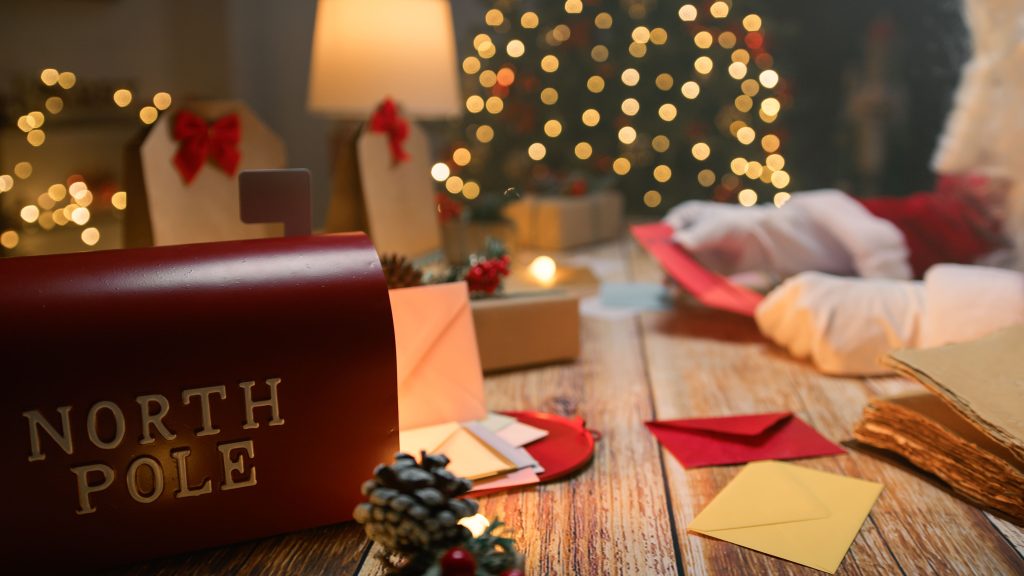
For a simple reveal, place the letter somewhere your child naturally checks, like the mailbox, stocking, Christmas tree, or bedside table. For a more magical reveal, place it beside cookies for Santa, near a Christmas book, or inside a small holiday basket.
Good reveal ideas:
- mailbox surprise
- under the Christmas tree
- beside cookies for Santa
- near the stockings
- with Christmas pajamas
- inside a Christmas memory box
- beside a favorite holiday book
- delivered during a family Christmas activity
The reveal does not need to be elaborate. It only needs to feel intentional.
What to Avoid If You Want the Letter to Feel Real
Some Santa letters feel fake because they are too generic, too long, or too obviously written for adults.
Avoid generic praise like “you have been very good this year” without any personal detail. Add one specific example instead. Avoid long adult-style paragraphs. Children usually respond better to short, warm, clear wording.
Also avoid overexplaining the magic. A letter from Santa feels more believable when the details and reveal do the work naturally.
A believable letter should not rely only on the child’s name. Add something from the child’s year, such as a hobby, milestone, wish, pet, or kind action.
How to Turn the Letter Into a Santa Letter Tradition
A letter from Santa becomes more meaningful when the family saves it. This turns the moment into a Santa letter tradition, not just a one-time Christmas surprise.
Simple ways to make the letter a keepsake:
- write the year on the back
- take a photo of your child holding it
- save the envelope with the letter
- place it in a Christmas memory box
- reread last year’s letter before the next one arrives
- repeat the same reveal each Christmas
A personalized Christmas letter from Santa can become a record of who your child was that year: what they loved, what they wished for, and what made that Christmas special.
How to Start in 5 Simple Steps
Step 1: Choose the Child-Specific Details
Pick two or three details your child will recognize. Use a hobby, achievement, wish, pet, favorite activity, or kind behavior.
Step 2: Choose the Tone
Keep the letter warm, cheerful, and simple. The message should sound like Santa speaking kindly to a child.
Step 3: Add a North Pole Touch
Use one small North Pole detail, such as elves, reindeer, Santa’s list, or Christmas preparations. A small detail is enough.
Step 4: Plan the Reveal
Choose where the child will find the letter. A mailbox, tree, stocking, cookie plate, Christmas basket, or Christmas Eve table can all work.
Step 5: Save the Letter
Treat the letter like a keepsake. Add it to a memory box, scrapbook, or yearly envelope so your family can look back on it next Christmas.
FAQ
How do you make a Santa letter feel real?
Make a Santa letter feel real by using details only your child would recognize. A believable letter should include the child’s name, interests, recent milestones, kind behavior, or Christmas wishes.
What should a realistic Santa letter include?
A realistic Santa letter should include a warm greeting, personal details, encouragement, a small North Pole reference, and a cheerful Christmas closing. The strongest letters sound specific to the child instead of generic.
How long should a Santa letter for kids be?
A Santa letter for kids should usually be short enough to keep the child’s attention. A few warm paragraphs are enough if the message includes personal details and a clear Christmas feeling.
What makes a Santa letter believable?
A Santa letter becomes believable when the wording, personal details, and reveal all feel intentional. Children are more likely to believe the letter when it mentions something specific from their real life.
Should a Santa letter mention good behavior?
A Santa letter can mention good behavior, but it should stay warm and encouraging. Focus on kindness, effort, helpfulness, or something positive the child did during the year.
Can I make a Santa letter myself?
Yes, parents can make a Santa letter themselves if they have time to write, design, print, and present it. A personalized Santa letter service is useful when parents want the experience created more easily.
When should my child receive a letter from Santa?
A child can receive a letter from Santa in early December, mid-December, Christmas Eve, or Christmas morning. The best timing depends on whether you want the letter to start the season, build anticipation, or become part of a specific family moment.
What is the best way to reveal a Santa letter?
The best way to reveal a Santa letter is to let the child discover it. A mailbox surprise, tree placement, stocking reveal, or Christmas Eve setup can make the letter feel more magical.
Is a personalized Santa letter better than a generic one?
A personalized Santa letter is usually more meaningful because it includes details specific to the child. A generic letter may still be fun, but personalization makes the message feel more believable and memorable.
Can a Santa letter become a Christmas keepsake?
Yes, a Santa letter can become a Christmas keepsake if the family saves it each year. Parents can place it in a memory box, scrapbook, or yearly envelope with a photo of the child holding the letter.
Why use Santa’s Magical Kingdom instead of writing it myself?
Use Santa’s Magical Kingdom if you want a personalized Santa letter without writing and designing the whole message yourself. Parents can focus on the reveal, reading moment, and keepsake tradition.
Final CTA
Create a Santa Letter That Feels Personal, Believable, and Magical
A Santa letter feels more real when it includes details your child knows are true. Their name, hobbies, milestones, wishes, and family traditions can turn a simple note into a Christmas moment they remember.
Create a personalized Santa letter your child can read, hold, save, and look forward to again next year.