





There is a specific kind of quiet that settles over a house during the holidays. It’s the sound of wrapping paper crinkling in the garage at midnight, the soft hum of the refrigerator keeping the “Santa snacks” cold, and the gentle breathing of children dreaming of reindeer on the roof. But for every parent, there’s a looming moment that threatens to break that silence. It usually starts with a tug on your sleeve and a hesitant, “Mom? Dad? Is he… you know… is Santa real?”
Your heart drops. You feel like you’ve been caught in a lie, even though that “lie” was built out of pure love. You worry that once the secret is out, the magic is gone forever. But I’m here to tell you—as someone who has been in those trenches—that this conversation doesn’t have to be the end of Christmas. It’s actually the beginning of a much deeper, more wonderfull tradition.
When we dive into the question, Is Santa Real? A Heartwarming Truth Every Parent Should Read, we aren’t just looking for a “yes” or “no.” We are looking for a way to explain that the spirit of Christmas is a living, breathing thing that evolves as we grow.
The Emotional Impact of the Question: Is Santa Real? A Heartwarming Truth Every Parent Should Read
For a child, Santa Claus is the ultimate symbol of a world that is kind, magical, and rewarding. He represents the idea that someone out there knows them, loves them, and wants to bring them joy just because they exist. So, when they ask the big question, they aren’t just asking about a guy in a suit; they are testing the boundaries of their world.
As parents, our first instinct might be to panic. We think back to the years of effort we put into the “magic.” We remember the snowy footprints made with flour on the carpet and the carefully disguised handwriting on the gift tags. It feels like an era is ending. But honestly? It’s just shifting.
The “truth” isn’t a disappointment. It’s an invitation. It’s the moment your child is ready to step behind the curtain and help create the magic for someone else. If you’re looking for a place to ground that magic in reality, you can experience the magic of a winter wonderland where the sheer scale of the lights and music makes it easy for anyone, at any age, to feel the spirit of the season.
The Real Saint Nicholas: History Behind the Legend
To give a truly satisfying answer, it helps to have some facts in your back pocket. The legend of Santa didn’t just pop out of thin air or a soda commercial. It started with a real human being named Nicholas who lived in the 4th century. He was a bishop in a place called Myra, which is in modern-day Turkey.
Nicholas wasn’t a magical elf; he was a man with a massive heart. He inherited a fortune and spent his entire life giving it away to the poor, the sick, and the suffering. One of the most famous stories involves him tossing bags of gold through a window to save three sisters from a life of poverty. This is where the tradition of secret gift-giving began. You can explore more about the historical life of Saint Nicholas to see how his deeds turned into the global phenomenon we know today.
When your child asks if Santa is real, you can tell them: “Yes, he was a real person who loved giving so much that his spirit started a movement that has lasted for over a thousand years. Now, we all take turns being him.”
Transitioning from Believing to Belonging: The Santa Club
Many parents use the “Santa Club” approach, and it’s honestly one of the best ways to handle the transition. The idea is that you don’t “stop” believing in Santa; you become a Santa.
Tell your child that they have reached an age where their heart has grown enough to handle the responsibility of being a secret giver. This changes the narrative from being “lied to” to being “promoted.” It respects their growing maturity and gives them a new role to play. Research shows that encouraging imagination and altruism is incredibly beneficial for a child’s social development.
Once they are in “the club,” you can start new traditions together. Maybe you go to Kringle’s General Store to pick out a “secret” ornament for someone who is having a hard year. Letting them be the one to choose the gift and place it anonymously on a porch teaches them that the true “magic” isn’t in the flying reindeer—it’s in the look on someone’s face when they feel loved.
Magical Ways to Celebrate the Season Together
Even after the “talk,” the holiday season should still feel special. The goal is to move from the passive wonder of a toddler to the active participation of a big kid. You can still participate in all the classic activities that make the season bright.
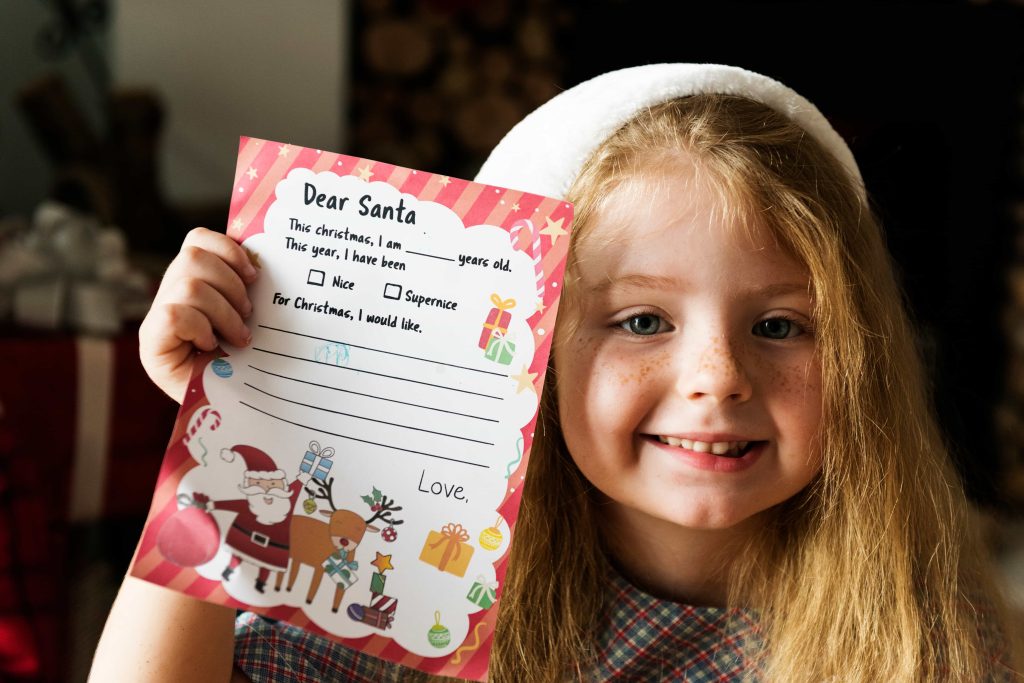
For example, writing heartfelt letters to Santa can evolve into writing letters to soldiers, nursing home residents, or family members. It keeps the focus on connection and thoughtfulness.
You can also plan a family night where you truly explore the kingdom of your local holiday displays. There is something about the immersion of millions of lights that bypasses the logical brain and goes straight to the heart. Whether your child “knows” or not, they will still feel that spark.
If you’re wondering how to fit it all in, check out the general information for local events to ensure you don’t miss the peak of the season. One of the best ways to bond is to go on magical train and wagon rides where you can sit together, drink cocoa, and just talk. These are the moments they will remember long after they’ve forgotten which toys were under the tree.
Why Keeping the Secret is a Gift for Parents Too
Let’s be honest for a second. We don’t just keep the Santa story going for the kids. We do it for ourselves. In a world that can often feel cynical or heavy, the Santa myth allows us to step back into a world where goodness is the default. It allows us to be the architects of joy.
When we see our children’s faces light up, we are reminded of our own childhoods. We are reminded that it’s okay to believe in things that can’t be seen. When we eventually share the truth with them, we aren’t losing that; we are sharing it. We are handing them the keys to a kingdom of kindness that they will one day pass on to their own children.
So, when the question comes, don’t be afraid. Take a deep breath, pull them close, and tell them the heartwarming truth. Tell them that Santa is the name we give to the love that moves us to be generous. And as long as there is love in the world, Santa is very, very real.
Frequently Asked Questions (FAQ)
- Is it a lie to tell my kids about Santa? Think of it more as a “poetic truth.” You are introducing them to the concept of selfless giving through a story they can understand. Most experts agree it’s a healthy part of childhood.
- What if my child finds the hidden presents? It happens! If they catch you, you can use it as a starting point to explain that you are “Santa’s helpers” and that you love being part of the surprise.
- How do I handle kids at school telling my child Santa isn’t real? Prepare them ahead of time by saying, “Some people think Santa is just a story, but we know that Santa is a spirit of giving that lives in our hearts.”
- When is the “right” age to tell the truth? There is no set age. Usually, between 7 and 10, kids start to ask logical questions. Follow their lead. If they seem like they want to keep believing, let them.
- How can I keep the magic alive for a teenager? Involve them in the “behind the scenes” work. Let them help fill stockings for younger siblings or choose a charity to support.
- Does the “Santa Club” idea really work? Yes! It’s a very popular method because it empowers the child and prevents them from feeling like they were tricked.
- Should I use Santa to encourage good behavior (Elf on the Shelf style)? While common, many experts suggest keeping Santa about “unconditional” giving rather than a reward system, so the focus remains on joy.
- What if my child is angry when they find out? Validate their feelings. Say, “I understand why you’re upset. We kept the secret because we wanted to make things magical for you, just like our parents did for us.”
- Can we still leave out cookies and milk? Absolutely. Even adults love the tradition of “Santa’s cookies.” It’s part of the ritual of the night.
- How do I explain Santa to a child who doesn’t celebrate Christmas? You can explain him as a cultural figure of generosity, similar to how different cultures have different heroes who represent kindness and hope.